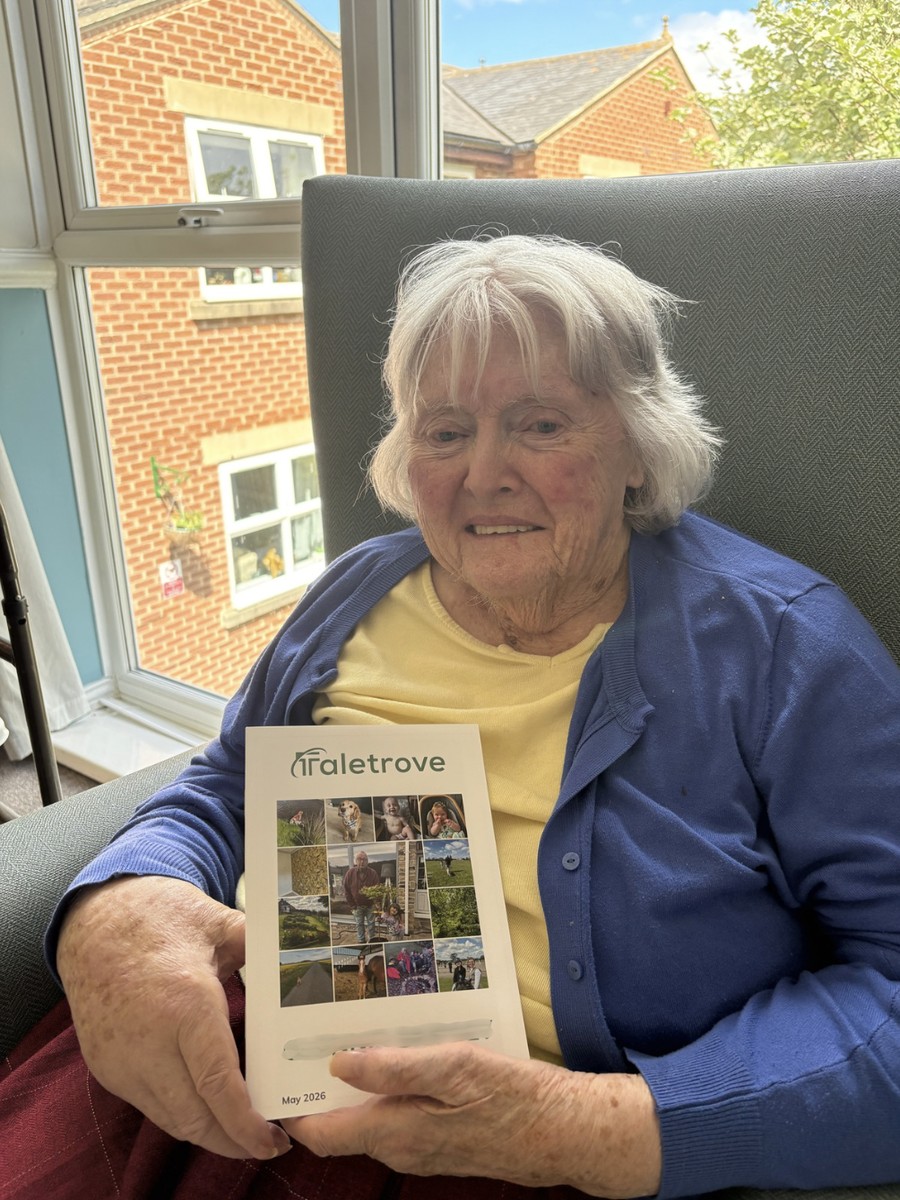
A 90th is a proper milestone, and it is also the hardest birthday to buy for. The person turning 90 has spent decades acquiring things, is very likely trying to get rid of some of them, and will almost certainly tell you not to make a fuss.
Someone turning 90 in 2026 was born in 1936. They were three when the war started, they have seen six monarchs' worth of change, and they have had roughly eighty-nine birthdays already. Whatever you buy is not going to be the first of anything. That sounds like a problem and it is actually the answer: at 90, the presents that land are about people, not objects.
Start with what they cannot buy themselves
This is the whole trick with a 90th. Anything they wanted and could afford, they have. What they cannot go out and buy is the family, in a room, paying attention.
- Get everyone in one place. Not a restaurant with terrible acoustics where they can hear nobody. Someone's front room, or a hall, in the afternoon, with chairs. The people who come matter more than the venue.
- Collect messages from everyone who knows them. Old colleagues, neighbours, the friends who moved away, the ones who cannot travel. Ninety messages for ninety years is a lovely shape for it, and it does not need to be exactly ninety.
- Record them talking. Sit down with a phone on the table and ask about their childhood, how they met, what the street was like. Families always mean to do this and usually leave it too late. It costs an afternoon and it is the thing you will still have in thirty years.
- Ask the great-grandchildren to make something. Drawings, a handprint, a card with the letters going in the wrong direction. These end up on the fridge and stay there.
At ninety, the presents that land are about people, not objects.
Presents that suit ninety specifically
Two things change what works at this age. Space is usually tight, because most people have downsized at least once by 90. And the practical stuff matters more than it did: eyesight, grip, and how heavy a thing is to lift.
- A newspaper from the day they were born. A 1936 front page is genuinely interesting to read together, and it takes up no room. Reprints of the original are widely sold.
- A photo book of the family as it is now. Not the archive photos they already have. The people who exist because of them, printed, in order, with names underneath.
- Something they can actually see and hold. Large print books, a lamp that is bright enough to read by, a mug with a handle you can get a whole hand through. Unglamorous, used every single day.
- A framed photograph for the shelf. One good print of the people they love beats a box of a hundred they will never sort.
- Their favourite thing, but the good version. The proper biscuits, the whisky they would not buy for themselves, the tin of shortbread they keep for visitors. Small luxury, no clutter.
- Flowers or bulbs rather than a plant that needs work. Beautiful for a fortnight, then gone, which at 90 is a feature rather than a fault.
If they are in a care home or have limited space
The rules tighten. Storage is a shelf and a drawer, and anything that needs setting up will not get set up.
- Nothing that needs an account, a password or wifi. A digital photo frame sounds perfect and in practice becomes a job for whoever visits most.
- Things that get used up. Good toiletries, chocolates to offer visitors, a magazine subscription. No permanent home required.
- Clothing that is easy to put on. Cardigans over jumpers, slip-ons over laces, non-slip slippers. Ask the staff what is actually needed before buying, because they will tell you straight away.
- A visit booked in the diary. Write it on the calendar in their room. Half the pleasure of a visit is the fortnight of looking forward to it.
We wrote a longer piece on this if it is the main difficulty: gift ideas for someone in a care home.
See it for yourself
What actually arrives through the door
A real printed edition, the same booklet we post to families every month.
Read a sample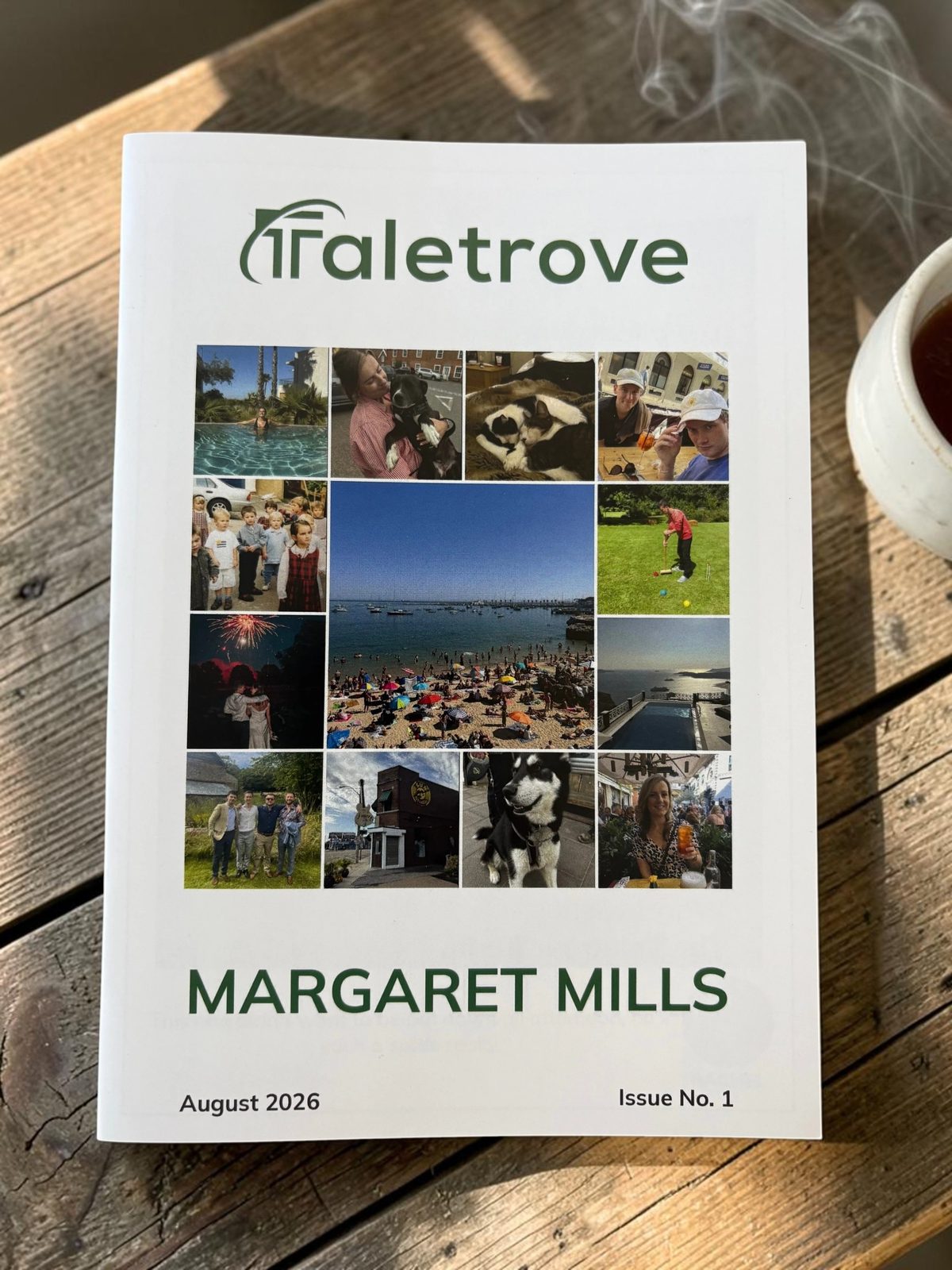
Presents that keep arriving after the day
A 90th is one afternoon. The weakness of every milestone birthday is that it is over by teatime, and the following Tuesday looks like every other Tuesday.
- A magazine or the local paper from where they grew up. Chosen by their interests, never by their age.
- A standing arrangement rather than a thing. Paying the window cleaner, the gardener, or a taxi account so getting out stays possible. Nobody unwraps it and everybody notices it.
- A regular delivery. Coffee, flowers, a book a month. The pleasure is in something turning up with their name on it.
When they say not to bother
They will say it, and at 90 they usually mean it. It is almost never about not wanting to be thought about. It is about not wanting to be a nuisance, not wanting money spent on someone who feels they have had their turn, and not wanting more things in a house they are trying to simplify.
So give something that cannot be argued with. Photographs, letters, recordings, your time, the children. Nobody has ever been cross about evidence that they were on somebody's mind, and none of it can be handed back with "you shouldn't have".
One small myth worth clearing up while we are here. The card from the King is for a 100th birthday, and then again at 105 and every year after. There is nothing official for a 90th, so if someone in the family is expecting one, that is the year to look forward to.
The one we make
We should say plainly that we sell something that fits this occasion, so treat everything above as the honest alternatives. Taletrove is a monthly printed family newsletter. The family shares photos and messages in a WhatsApp group, and each month those become a printed booklet posted to their door. There is no app for them, no wifi, no account and no password. They open the post and see what everyone has been up to.
It suits a 90th for the reason the whole page keeps coming back to. What they want is more of the family, and this is one of the few ways to put that in an envelope every month rather than once on the day. It also solves the space problem, because a booklet is a booklet.
You can read a real sample or start one in a few minutes, with the first month half price.
Other guides that might fit better
If the difficulty is the person rather than the occasion, these go into more detail:
- What do you buy grandparents who have everything?
- Gifts for grandparents who live far away and aren't online
- Meaningful gifts for someone living with dementia
- Gift ideas for someone in a care home
The short version
At 90 the presents that land are about people rather than things. Get the family together, collect messages from everyone who knows them, record them talking while you still can, and print some photographs. Keep the object small, easy to hold and easy to store. And if they tell you not to bother, give them something that cannot be mistaken for extravagance.